
In this Article


By: Megan Marshall

Professional insights: Erika Emenyonu
Do you care deeply about your community and hope to make a difference in people’s lives? If so, a community health worker (CHW) career may be for you.
What is a community health worker?
CHWs are the vital link between individuals and the healthcare resources available within their community. They are the friendly faces, the trusted advisors and the compassionate advocates who work tirelessly to ensure everyone accesses and receives the care they deserve.
“Being a community health worker is not just a job; it’s a calling to serve and uplift communities,” said Erika Emenyonu, a current CHW at the New Haven Health Department in New Haven, Connecticut. Emenyonu advises anyone interested in pursuing this career to “cultivate empathy, resilience, and a passion for community well-being.”
If you’re ready to make a tangible difference in your community, consider a career as a CHW.
What does a community health worker do?
Some of the common tasks CHWs perform include:
- Providing health education and promoting healthy behaviors:
- CHWs are educators at heart, passionate about sharing knowledge on nutrition, exercise, disease prevention and overall wellness. They empower people to take charge of their health through workshops, one-on-one sessions or community events.
- Conducting health screenings and assessments:
- CHWs play a crucial role in identifying health needs and risks within their community. By conducting screenings and assessments, they pave the way for early intervention and preventive care.
- Connecting individuals and families with relevant healthcare services and resources:
- Acting as liaisons between individuals and the complex world of healthcare, CHWs ensure that no one falls through the cracks by connecting families with social services, mental health support or medical specialists.
- Advocating for a community’s health needs:
- CHWs are fierce advocates for the health and well-being of their community. They speak up, mobilize resources and drive change to address systemic issues.
- Collaborating with healthcare professionals, community organizations and social service agencies:
- CHWs partner with healthcare professionals, community organizations and social service agencies to leverage resources, share expertise and amplify impact.
“Being a community health worker is not just a job; it’s a calling to serve and uplift communities.”
– Erika Emenyonu
CHWs understand the importance of building trust and rapport with diverse communities, respecting cultural beliefs and practices and tailoring their approach to meet the unique needs of everyone they serve.
The day-to-day roles CHWs play can vary based on geographic and cultural surroundings, and so can the settings in which they work. While many work in healthcare facilities like hospitals or community clinics, others may work for government agencies, nonprofits, public housing facilities or schools.
Skills needed to become a community health worker
Becoming a proficient CHW requires a blend of hard skills that lay the foundation for effective practice. These may vary based on the communities a CHW serves, but a few common skills include:
Critical soft skills for CHWs
CHWs also rely on a set of human-first interpersonal skills that define their approach and impact:
“Entry-level community health workers should possess strong communication skills, cultural competence and a commitment to lifelong learning,” Emenyonu said.
Education and certifications
To qualify for a position as a CHW, a high school diploma and practical on-the-job training are typically necessary. However, some employers may prefer candidates with certificates, associate degrees or bachelor’s degrees.
Training programs
On-the-job training and certification programs may be completed in a matter of months, but some may take longer depending on state requirements. Specific prerequisites may vary based on the type of training you choose, but generally, obtaining a high school diploma or GED/HSE is the first step.
Regardless of your chosen educational pathway, you can receive instruction on public health, human services, cultural competency, community engagement, program administration and advocacy.
Continuing education
Enrolling in continuing education opportunities such as workshops, seminars and conferences can help you stay abreast of the latest research, technologies and interventions shaping the field of community health.
Pursuing advanced certifications or specialized training can further enhance your skills and open new opportunities for career advancement.
Career outlook for community health workers
The future looks bright for aspiring CHWs, as the demand for CHWs will likely continue rising in the coming years. This trend reflects the invaluable role CHWs play in promoting health equity, preventing disease and improving access to care within communities.
Job growth
According to the U.S. Bureau of Labor Statistics (BLS), the job outlook for CHWs is strong. The BLS projects the employment of CHWs to grow 12.7% through 2034, which is much faster than the average of all jobs. Each year, there will be an estimated 8,000 vacancies for CHWs throughout the next decade.
Community health worker salary potential
The median annual salary for community health workers is $51,850 according to the 2023 Occupational Employment and Wage Statistics from the BLS. This figure represents the median wage, indicating that half of the workers in this field earned more than this amount, while the other half earned less:
Community Health Workers
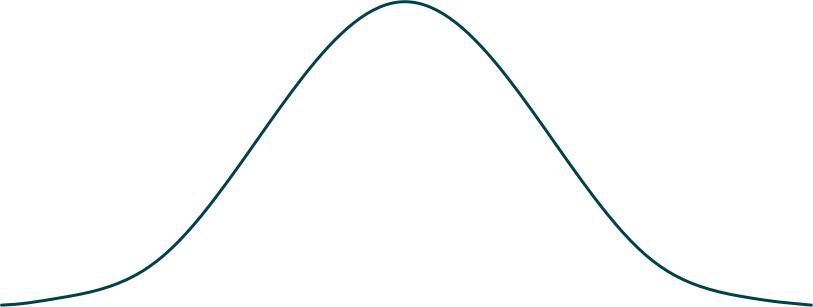

10%$38,810
25%$45,640
50%$51,850Median
75%$62,540
90%$77,180
Median Hourly Wage$25
Job growth12.7%
Total Employment61,660
| State | Median Salary | Bottom 10% | Top 10% |
|---|---|---|---|
| Alabama | $43,340 | $33,470 | $62,790 |
| Alaska | $52,000 | $38,780 | $77,210 |
| Arizona | $48,950 | $39,310 | $75,010 |
| Arkansas | $44,890 | $38,680 | $69,720 |
| California | $58,050 | $46,320 | $88,590 |
| Colorado | $59,260 | $45,450 | $76,790 |
| Connecticut | $53,560 | $43,120 | $74,120 |
| Delaware | $55,850 | $35,810 | $74,530 |
| District of Columbia | $62,510 | $51,010 | $93,070 |
| Florida | $45,420 | $31,350 | $69,630 |
| Georgia | $50,680 | $34,100 | $73,130 |
| Hawaii | $58,450 | $37,700 | $84,750 |
| Idaho | $52,050 | $39,500 | $94,280 |
| Illinois | $49,240 | $39,040 | $65,540 |
| Indiana | $47,960 | $38,400 | $68,620 |
| Iowa | $47,780 | $37,690 | $71,360 |
| Kansas | $47,300 | $37,940 | $63,650 |
| Kentucky | $48,230 | $33,310 | $71,980 |
| Louisiana | $46,450 | $35,360 | $59,440 |
| Maine | $48,670 | $41,770 | $61,360 |
| Maryland | $50,550 | $36,190 | $79,290 |
| Massachusetts | $55,560 | $42,910 | $74,840 |
| Michigan | $49,380 | $37,720 | $74,610 |
| Minnesota | $47,560 | $42,610 | $69,160 |
| Mississippi | $39,520 | $30,930 | $70,890 |
| Missouri | $48,770 | $36,990 | $64,330 |
| Montana | $49,780 | $38,470 | $79,580 |
| Nebraska | $51,780 | $38,550 | $72,970 |
| Nevada | $57,730 | $41,980 | $95,200 |
| New Hampshire | $66,680 | $43,430 | $77,010 |
| New Jersey | $55,790 | $39,640 | $83,600 |
| New Mexico | $54,830 | $38,210 | $73,110 |
| New York | $58,130 | $44,310 | $87,980 |
| North Carolina | $47,560 | $36,160 | $68,380 |
| North Dakota | $59,610 | $44,800 | $76,210 |
| Ohio | $50,650 | $35,950 | $75,380 |
| Oklahoma | $45,790 | $34,520 | $67,630 |
| Oregon | $53,350 | $45,000 | $73,760 |
| Pennsylvania | $50,710 | $38,960 | $80,830 |
| Rhode Island | $53,100 | $45,370 | $76,310 |
| South Carolina | $47,970 | $38,110 | $70,230 |
| South Dakota | $45,700 | $39,230 | $60,630 |
| Tennessee | $42,310 | $34,180 | $58,960 |
| Texas | $48,720 | $36,250 | $64,290 |
| Utah | $55,700 | $35,480 | $74,880 |
| Vermont | $51,500 | $44,010 | $62,320 |
| Virginia | $48,910 | $34,440 | $79,990 |
| Washington | $57,070 | $43,820 | $80,680 |
| West Virginia | $37,950 | $29,480 | $56,840 |
| Wisconsin | $51,210 | $39,010 | $71,450 |
| Wyoming | $54,020 | $39,520 | $79,600 |
Source: U.S. Bureau of Labor Statistics (BLS) 2024 median salary; projected job growth through 2034. Actual salaries may vary depending on location, level of education, years of experience, work environment, and other factors. Salaries may differ even more for those who are self-employed or work part time.
Location, experience and specific focus area may influence compensation. For example, Rhode Island, New Mexico, Washington D.C., Kentucky and North Dakota are currently the states with the highest median annual wages.
CHW workplaces
Like many professions, your workplace environment can also influence your salary. According to the BLS, CHWs in these industries have the highest annual mean wages:
It’s important to note, however, that CHWs in these industries make up only a fraction of the total CHWs out there. The industries with the highest levels of employment of CHWs include:
Career paths
A career in community health work provides ample potential for career advancement.
Entry-level CHWs function as frontline workers by directly engaging with clients or patients to address their needs. However, as CHWs advance, they may transition into mid-level roles such as health advocates, care coordinators or certified nursing assistants (CNAs). These positions often demand specialized knowledge or additional training, enabling CHWs to cater to specific patient needs or operate in more clinical settings.
With further education, like a master’s in public health or a master’s in social work, managerial positions such as CHW supervisors or social workers offer opportunities for team leadership and administrative responsibilities while maintaining some level of client interaction.
This hierarchical progression can allow CHWs to progress from direct patient care to overseeing programs and managing multidisciplinary teams.
Is a community health worker career right for you?
“To determine if this career path is right for you, reflect on your desire to make a tangible difference in people’s lives and your ability to navigate complex health challenges with compassion and resourcefulness,” Emenyonu said.
You should weigh the pros and cons to ensure a CHW career aligns with your professional and personal goals.
Pros of a career as a community health worker:
- Make a tangible difference in your community by improving health outcomes and addressing disparities.
- Work with diverse populations, gaining valuable insights and experiences that enrich your understanding of different cultures and perspectives.
- Experience a rewarding career and benefit from a strong job outlook with the increasing demand for CHWs.
Cons of a career as a community health worker:
- Lower salary expectations compared to some healthcare professions.
- Demanding and often emotional work, as CHWs frequently encounter complex health and social issues that require empathy and support.
- There’s a potential to work long hours, particularly during heightened community needs.
Stay connected to build your CHW career
“My journey in this field has been shaped by the people I’ve had the privilege to connect with and the impact we’ve made together,” Emenyonu said. Building connections and staying up to date on community health trends is essential for entering a community health career.
The National Association of Community Health Workers and the American Public Health Association are great resources for learning more about the field and connecting with like-minded individuals.
As a CHW, you can enact meaningful change, one person, one family, one community at a time. Explore our health education programs to learn how you can start your change-making journey today.