
In this Article


By: Maddie Cohen
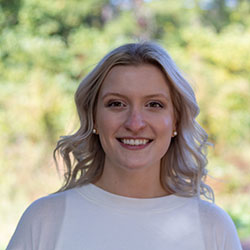
Professional insights: Grace Mooney
Are you curious about how certain foods might help prevent or manage disease? This is exactly the kind of work research dietitians get to do. By investigating how nutrition impacts human health, this career path puts you at the leading edge of discoveries that can transform how we eat and treat different health conditions. The goal is to translate nutrition science into real-world solutions that improve people’s lives.
Who are research dietitians?
Research dietitians are specialized registered dietitians (RDs) or registered dietitian nutritionists (RDNs) who conduct nutrition-related research to expand their knowledge of how diet affects health, disease prevention and treatment. They design studies, analyze data and publish findings that influence nutrition recommendations, along with public health policies and clinical practice guidelines.
“Working on studies with the potential to help improve population health and well-being was a huge draw for me,” said Grace Mooney, MS, RDN, LDN, a research dietitian in the Department of Preventive Medicine at Northwestern University.
For many research dietitians, this career path is a compelling alternative to traditional clinical roles.
“I always knew that I wanted a non-traditional dietitian role (i.e., clinical, food service) and I was always interested in research and data,” Mooney said. “Becoming a research dietitian allowed me to blend my interest in nutrition research with my nutrition-related expertise (i.e., energy calculations, motivational interviewing, etc.).”
It’s important to understand the distinction between dietitians and nutritionists. An RD or RDN must complete accredited education programs, supervised practice requirements and then pass a national registration examination. These professionals provide medical nutrition therapy and are usually regulated by state licensure laws.
In contrast, the title “nutritionist” is less regulated, and state requirements may vary. While many nutritionists have extensive education and training, they don’t have the same clinical privileges as dietitians. Research dietitians specifically have the RD or RDN credential, plus specialized training in research methodologies.
What do research dietitians do?
Research dietitians apply scientific research methods to advance nutrition knowledge. Their responsibilities generally include:
These responsibilities are both creative and scientific in nature, as research dietitians focus on complex questions while also building connections with the participants they serve. The work involves technical expertise and the clear, ethical communication of nutrition science topics to different audiences.
“Every day is different, which helps keep things interesting,” Mooney said. “Some days are filled with study visits, whereas others may be more recruitment-heavy or involve more data entry tasks. Working with humans can be unpredictable, which requires a lot of problem-solving, but I find that interacting with participants is a huge highlight of my work!”
Many research dietitians value the relationships they form as a result of their work. “It’s enjoyable getting to know participants and helping them solve their unique challenges,” Mooney said. “It’s also rewarding to help them learn about themselves and their health.”
Mooney shared an example of a participant who discovered they enjoyed yogurt and salmon in a controlled feeding study. She also noted that research dietitians sometimes identify health issues like high blood pressure that participants wouldn’t have known about otherwise.
Where can research dietitians work?
Research dietitians work in various settings, including:
- Universities and academic medical centers
- Government agencies like the Centers for Disease Control and Prevention (CDC), the National Institutes of Health (NIH), and the Food and Drug Administration (FDA)
- Food and pharmaceutical companies
- Research institutes and think-tanks
- Public health organizations
- Hospitals with research departments
- Nonprofit health organizations
- Clinical research organizations (CROs)
- International health agencies like the World Health Organization (WHO)
These settings are diverse, which means that research dietitians can find a role in an environment that truly reflects their interests. Some prefer to focus on policy, while others enjoy a more clinical or academic place of work.
Requirements to become a research dietitian
The path to becoming a research dietitian involves extensive education, supervised practice and often specialized training in research methodologies.
Education requirements
Anyone interested in becoming a research dietitian needs to fulfill the requirements to become an RD.
At minimum, research dietitians need:
- A bachelor’s degree in dietetics, nutrition or a related field from an accredited program. These programs may include coursework in nutrition science, food science, biochemistry, anatomy, physiology, medical nutrition therapy and research methods.
- A dietetic internship consisting of at least 1,200 hours of supervised practice. Internships are available in many different settings, including clinical, community and food service management.
- A master’s degree, with many senior positions requiring a doctoral degree. The level of education usually determines the types of research opportunities that are available in this line of work.
At the master’s level, professionals may work as research assistants, study coordinators or research dietitians under the direction of principal investigators.
At the doctoral level, meanwhile, research dietitians can lead research teams, serve as principal investigators, secure independent funding and direct research programs.
Post-doctoral training may be ideal for gaining specialized expertise in specific research areas or methodologies. In addition to formal education, hands-on research experience is essential.
“I recommend pursuing research courses and gaining research experience,” Mooney said. “This could mean doing a master’s thesis project, helping a professor with research, working as a research assistant or finding a research rotation for the dietetic internship.”
Licensure and certification
Research dietitians must earn several credentials and certifications before they start working in the field. The RD or RDN credential from the Commission on Dietetic Registration (CDR) involves:
- Completing an accredited dietetics program
- Finishing a supervised practice program
- Passing the Registration Examination for Dietitians
- Maintaining continuing education requirements
Research dietitians may also want to consider the following specialized certifications:
- Board Certified Specialist in an area like oncology, renal, pediatric, or gerontological nutrition (credentialed by CDR)
- Certified Clinical Research Professional (CCRP)
- Certified Clinical Research Coordinator (CCRC)
- Good Clinical Practice (GCP)
Research-specific training may include:
- Institutional Review Boards (IRB) and protection of human subjects
- Statistical analysis software certification
- Grant writing workshops
- Scientific writing courses
Again, most states require dietitians to be licensed in order to work. Mooney, for example, holds a Licensed Dietitian Nutritionist (LDN) credential, which is a state-specific license to practice.
What is working as a research dietitian like?
Research dietitians enjoy intellectually stimulating careers. The work includes nutrition expertise, scientific investigation, interpersonal relationships and more.
Daily routine
A typical workday for a research dietitian might include:
No two days look exactly alike in this profession, which many research dietitians find highly engaging. The balance between independent work and collaboration varies by project phase, with some periods focused intensely on data collection and participant interaction, and others centered more on writing and analysis.
Skills for success
To succeed as a research dietitian, you’ll need to be skilled in:
Many research dietitians develop these skills over time as they gain education, mentorship and practical experience. For some, early career experiences as research assistants or study coordinators help them hone these qualities even further.
Pros of a career as a research dietitian:
- Advancing the nutrition science field
- Intellectual stimulation and continuous learning
- Potential to influence public health policy and clinical practice
- Opportunities for publication and professional recognition
- Academic freedom (especially in university settings)
Cons of a career as a research dietitian:
- Competitive funding environment
- Research projects that may take years to complete
- Time-consuming grant writing with uncertain outcomes
- Frequent reporting to funding or other agencies
- Publication pressure in academic settings
Like in any career, research dietitians experience both rewards and challenges. There’s real satisfaction in contributing to scientific knowledge and potentially improving public health, but some professionals struggle with the pressures of this career path. Many professionals, however, appreciate the intellectual engagement and variety in their work, and find that the challenges contribute to their career development.
How much can I earn as a research dietitian?
According to the U.S. Bureau of Labor Statistics (BLS), the median annual wage for dietitians and nutritionists (including research dietitians) is $73,850. However, every individual’s earning potential may vary based on:
- Education level (master’s vs. doctoral degree)
- Years of experience
- Research setting (academic, government, industry, etc.)
- Geographic location
- Grant funding success
- Publication history
The BLS reports that the lowest 10% of dietitians and nutritionists earn less than $48,830, while the highest 10% earn more than $101,760. Keep in mind that these figures represent the entire dietitian and nutritionist profession, as the BLS does not provide salary data specifically for research dietitians.
Generally, those with advanced degrees and specialized research expertise may command higher salaries, especially those who work for pharmaceutical or food companies. Academic positions with research responsibilities typically align with university faculty pay scales based on rank and experience.
The BLS projects employment of dietitians and nutritionists to grow 5.5% through 2034, which is faster than the average across all occupations. In short, by working as a research dietitian, you can contribute to the science of nutrition while helping to improve public health and clinical practice.
Closing thoughts
As a research dietitian, your interests might focus on clinical nutrition, public health, food science or nutritional biochemistry. Regardless of your specific specialization, this career path lets you make impactful, evidence-based contributions that can influence dietary guidelines, treatment protocols and public health initiatives for years to come. And with the right education, credentials and skills, this career can be both intellectually rewarding and professionally fulfilling.
Are you interested in learning more about becoming a research dietitian? Explore our allied health programs for more information on how to get started on this impactful career journey.